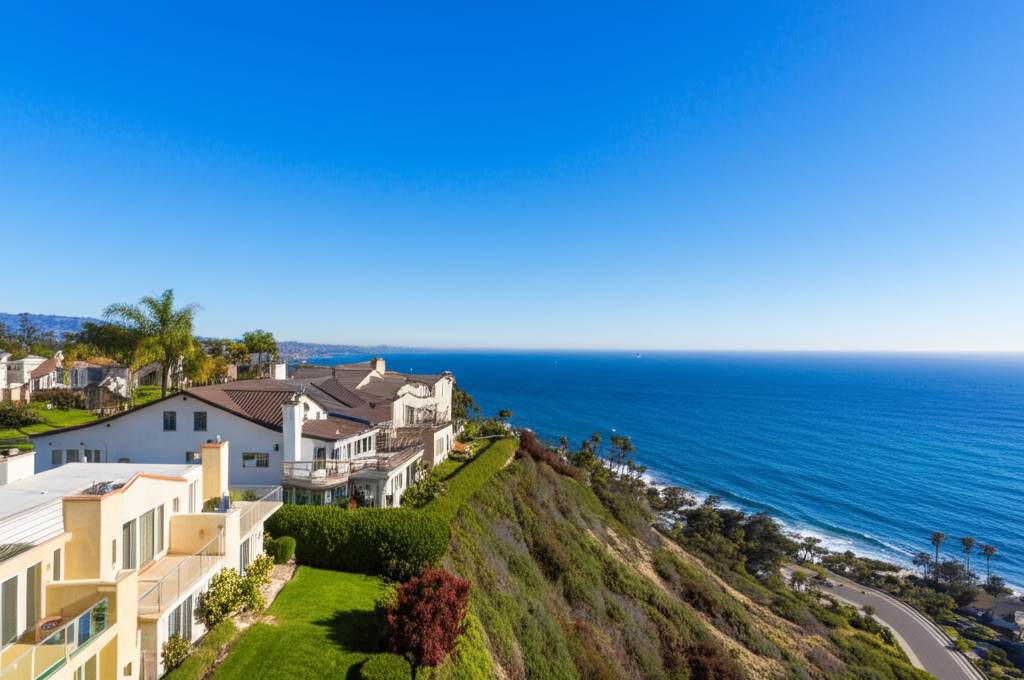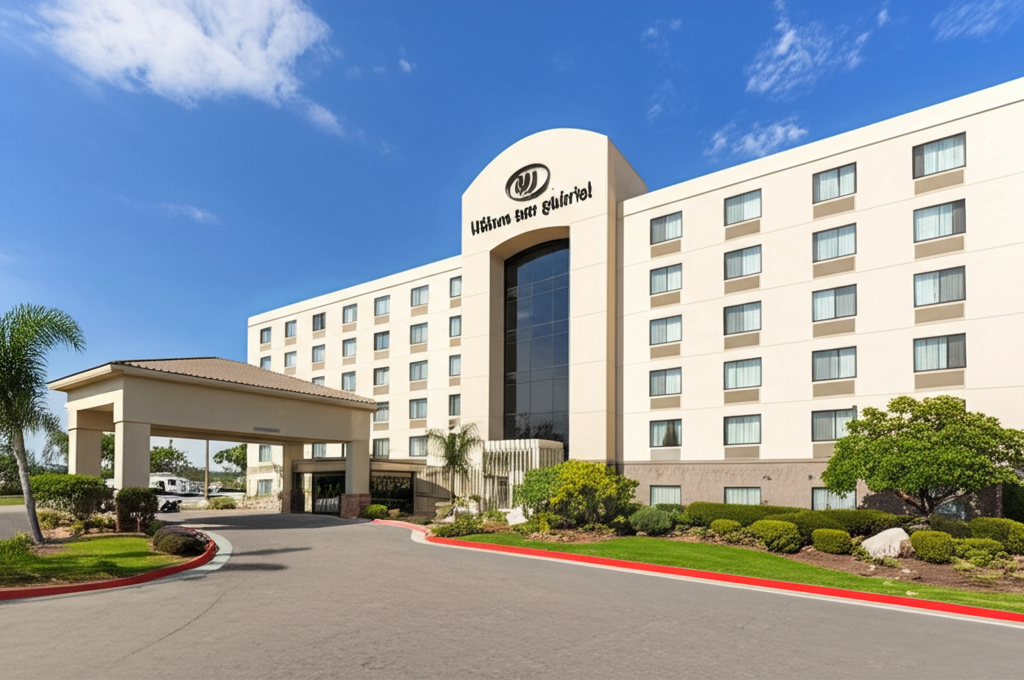
The Hilton Hotel San Gabriel with Retail Plaza project presented multiple complex challenges that made it an ideal candidate for our Building Information Modeling (BIM) approach. With a total area of 84,000 square feet spanning multiple floors, integrating hotel accommodations, conference facilities, and retail spaces required meticulous planning and coordination.
Our client approached Acornify with a vision for a luxury hotel development that would serve as a landmark in San Gabriel while meeting strict building codes, sustainability requirements, and delivering an exceptional guest experience. The project's complexity made BIM implementation essential to address the multifaceted challenges through detailed digital planning before breaking ground.
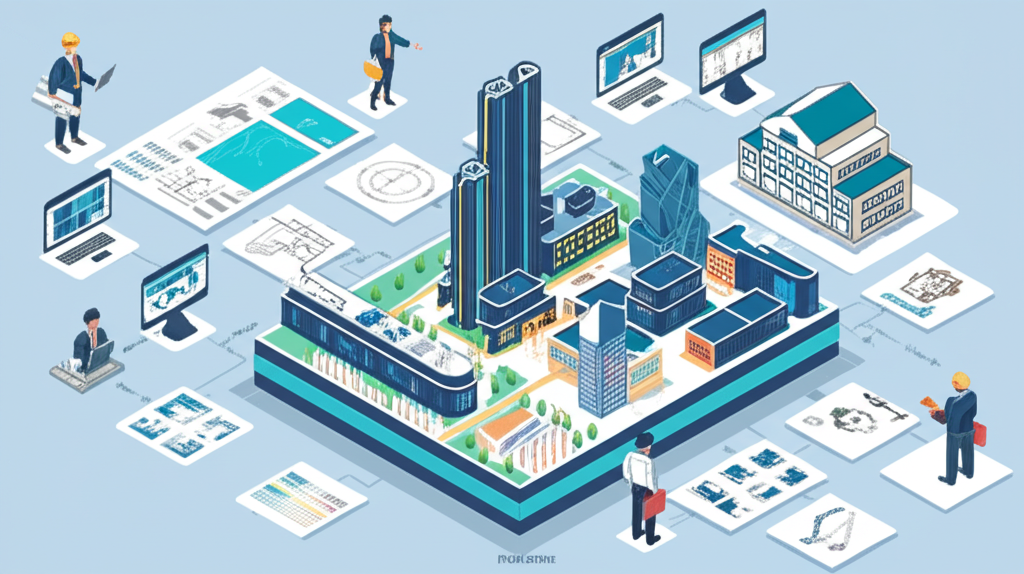
Rather than approaching these challenges with traditional 2D drawings, we implemented a comprehensive BIM strategy that allowed us to create a detailed digital twin of the proposed hotel development and its environment. This approach enabled us to:
We began by creating a precise 3D model of the site and surrounding infrastructure, allowing us to optimize the building's placement, access points, and relationship to neighboring properties.
Our architectural, structural, and MEP teams worked collaboratively in a shared BIM environment, ensuring that all systems were coordinated and conflicts were identified and resolved before construction.
We conducted multiple simulations within the BIM environment, including structural analysis for seismic performance, energy modeling for sustainability compliance, and pedestrian flow analysis for optimal guest experience.
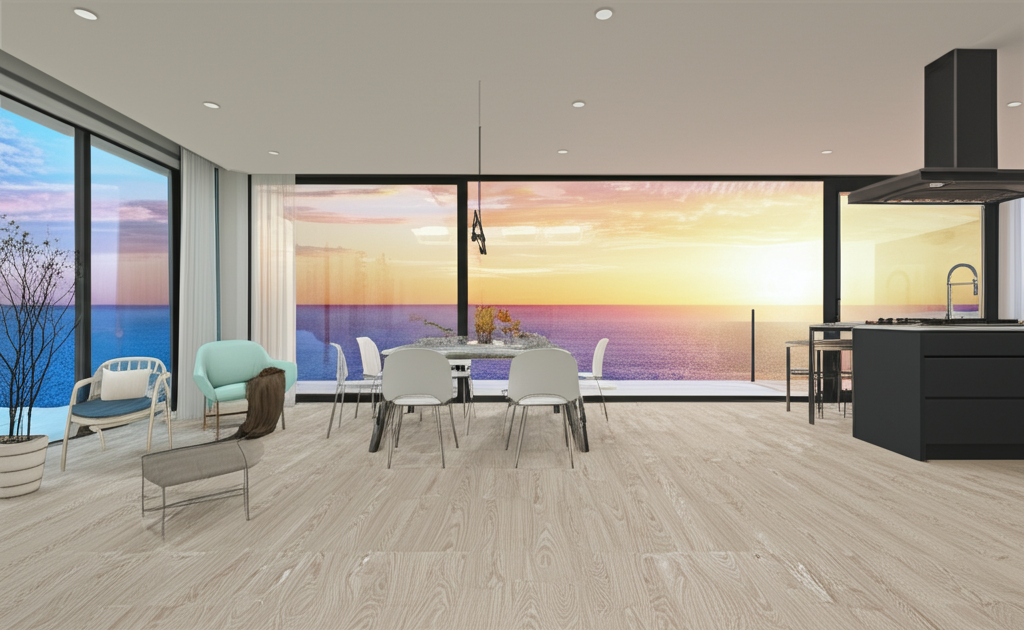
Through virtual reality walkthroughs and photorealistic renderings, all stakeholders could experience the future hotel and make informed decisions about design elements, materials, and finishes.
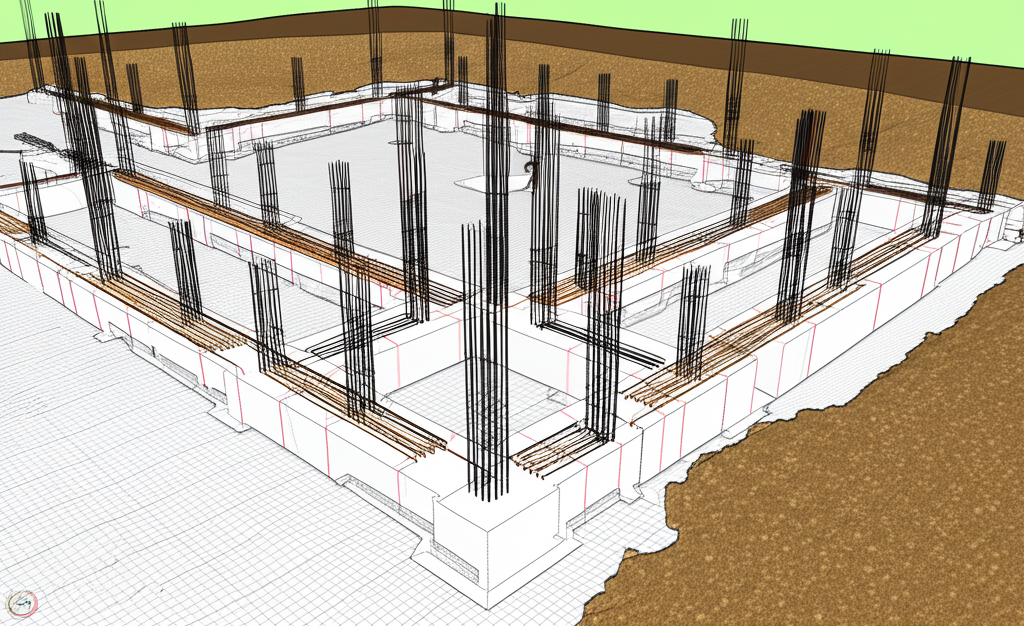
The hotel required a complex structural system to accommodate large open spaces for conference rooms and lobbies while meeting California's strict seismic requirements. Using BIM, our structural engineers created a detailed model of the structural system, which was then analyzed for performance under various seismic scenarios.
This analysis led to several design refinements that reduced material usage by 12% while increasing structural integrity. The optimized design featured a combination of reinforced concrete and steel framing that provided both strength and flexibility.
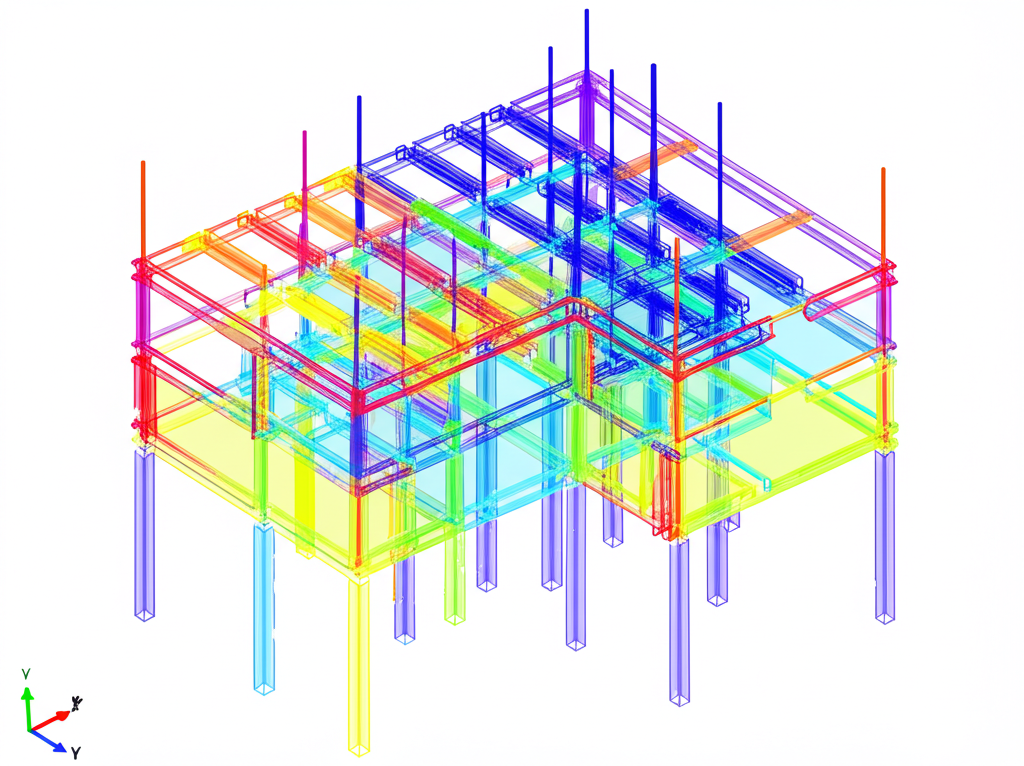
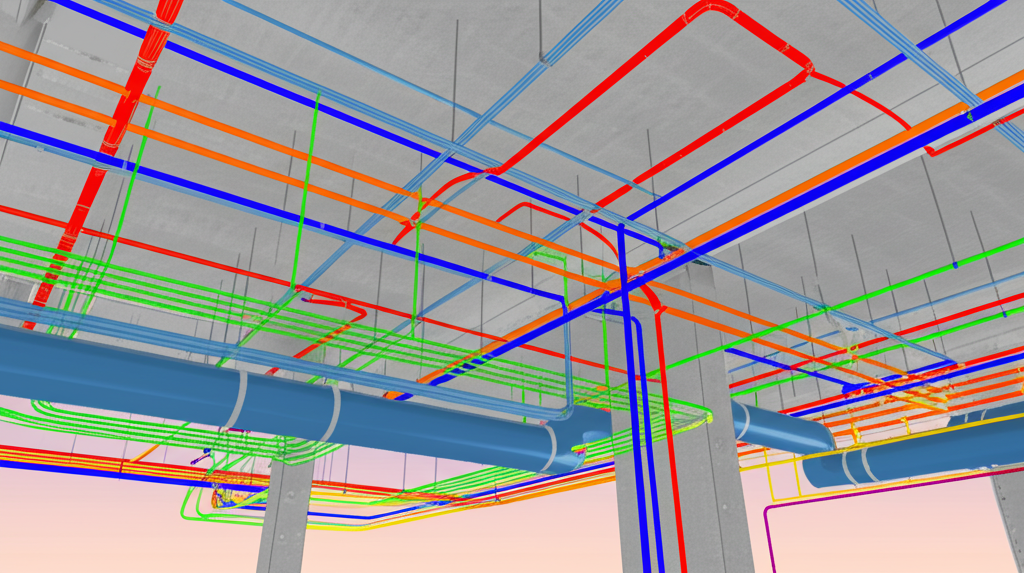
The hotel's complex mechanical, electrical, and plumbing systems needed to serve multiple functions while remaining hidden from guests. Using BIM, we created detailed 3D models of all MEP systems and ran automated clash detection to identify and resolve conflicts before construction.
This process identified over 200 potential conflicts that were resolved in the digital environment, saving an estimated $180,000 in potential change orders and delays during construction. The optimized systems also resulted in more efficient routing, reducing material usage and improving energy efficiency.
Using BIM, we were able to simulate guest experiences throughout the hotel, from arrival and check-in to room access and amenity usage. This allowed us to optimize circulation paths, ensure ADA compliance, and create intuitive wayfinding throughout the complex.
We also used the BIM model to analyze acoustics, lighting, and thermal comfort in guest rooms and public spaces, ensuring that the hotel would deliver the premium experience expected of the Hilton brand.
The BIM model provided accurate quantity takeoffs for all materials, allowing for precise cost estimation throughout the design process. As design decisions were made, the cost implications were immediately visible, helping stakeholders make informed choices that kept the project within budget.
This approach resulted in a final construction cost that was within 4% of the initial estimate, a remarkable achievement for a complex commercial project. The detailed material quantities also facilitated more efficient procurement and reduced material waste during construction.
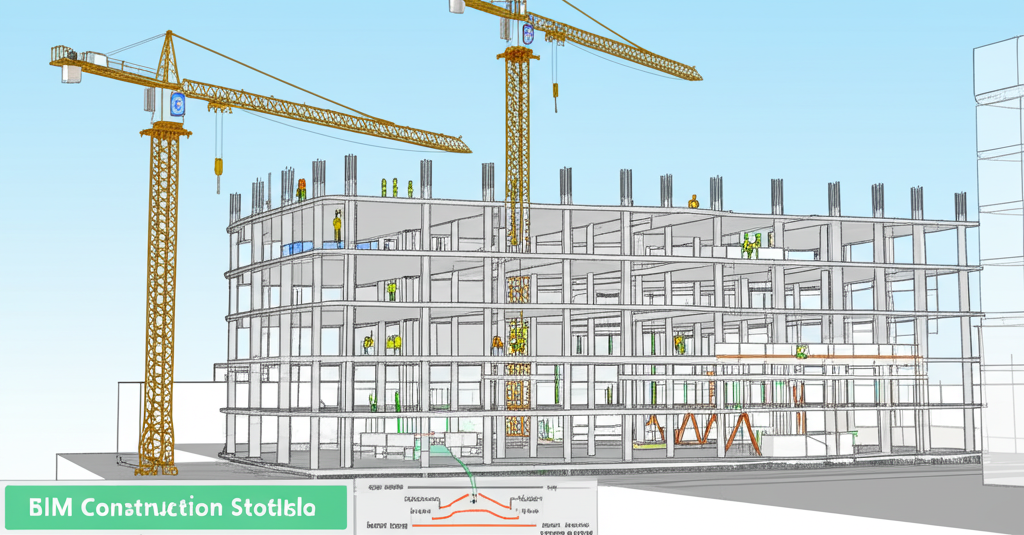
During construction, the BIM model served as a central reference for all stakeholders. We provided the construction team with tablets that allowed them to access the 3D model on-site, helping them visualize complex details and understand the relationships between different building systems.
We also used augmented reality to overlay the digital model onto the physical site, allowing for precise verification of element placement and installation. This technology was particularly valuable for the complex MEP systems and architectural finishes.
The Hilton Hotel San Gabriel opened in 2022, approximately 28 months after the initial design phase began. The completed project successfully addressed all the initial challenges while exceeding stakeholders' expectations for both functionality and aesthetics.
"The BIM approach that Acornify used for our hotel development was instrumental in its success. The ability to visualize and coordinate all aspects of this complex project before construction began saved us significant time and money. The level of detail and coordination was impressive, and it clearly paid off with a smooth construction process and a finished product that exceeds our expectations."
This project reinforced several key principles about BIM implementation that we apply to all our projects:
The Hilton Hotel San Gabriel project demonstrates the power of BIM to address complex design and construction challenges. By creating a detailed digital twin of the building before construction began, we were able to optimize the design, improve coordination, reduce waste, and deliver a high-performance hotel that meets the needs of all stakeholders.
As BIM technology continues to evolve, we're excited to explore new applications that further enhance our ability to create exceptional commercial and hospitality projects. The lessons learned from this project will inform our approach to future projects, helping us deliver even greater value to our clients.
San Gabriel, California
Hotel and Retail Development
84,000 square feet
28 months (Design to Completion)